


At first glance, the global lingerie business looks irresistible.
High margins. Emotional products. Repeat customers. A constant demand curve.
Yet behind the glossy campaigns and seductive visuals lies a hard truth: most lingerie startups fail quietly. Not because the market is saturated, but because founders underestimate how different lingerie is from “regular fashion.”
Unlike apparel, lingerie sits at the intersection of intimacy, psychology, comfort, trust, and regulation. The rules are different. The stakes are higher. And beginner mistakes compound faster.
This blog breaks down the most common mistakes new lingerie entrepreneurs make. Supported by lessons from top-tier founders who successfully built enduring brands, and what they wish they had known earlier.
Mistake #1: Believing “Sexy” Is a Business Strategy
Most new lingerie founders don’t have a product problem. They have a positioning problem. They launch thinking “sexy” is a business strategy, then wonder why the ads get clicks, the reels get views, but the cart stays empty and returns to eat the margins.
If your entire lingerie brand is built on push‑up cleavage, arching backs, and “male gaze” visuals, you are optimising for ego metrics, not revenue.
- Hyper‑sexualised lingerie advertising often turns off the very women you want as loyal repeat buyers, because they feel objectified, not understood.
- Women increasingly buy lingerie for comfort, confidence, and self‑expression, not to perform for someone else, and their purchasing behaviour follows that intent.
The lingerie brands quietly compounding profit are the ones solving: “How do I make her feel held, seen, and powerful in her own skin?” instead of “How do I look hot on a billboard?”
Catalina Girald, founder of Naja, built her brand by intentionally rejecting this approach. Her philosophy centered on empowerment and real women, not objectification.
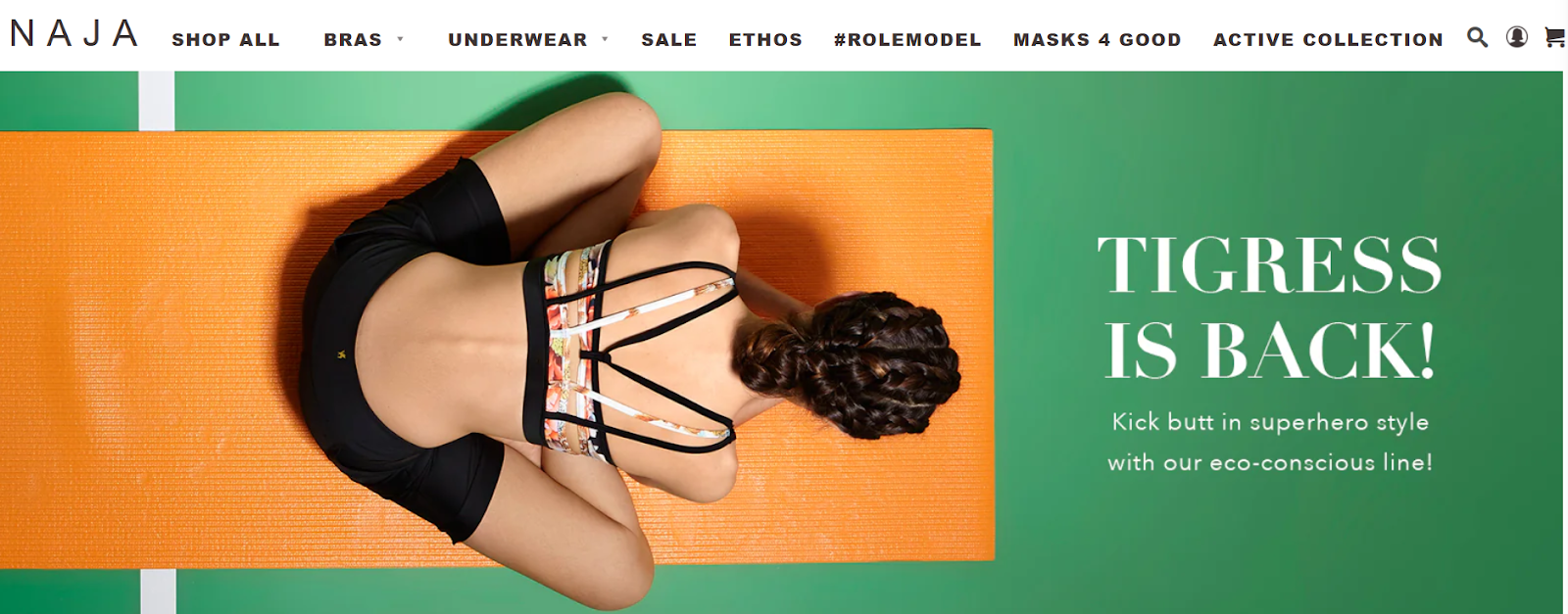
“You can feel strong and beautiful without being objectified.” – Catalina Girald
The reality: Most lingerie today is purchased by women, for themselves, driven by confidence, comfort, and identity, not seduction alone.
Mistake #2: Designing for Fantasy Instead of Real Bodies
Beginners sketch for Instagram perfection, tiny waists, perky symmetry, then grade up/down like it’s a t-shirt, ignoring that breasts aren’t uniform orbs.
- Almost 80% of women wear the wrong size already; your “one-size-fits-most” approach spikes that to 74% cart abandonment from fit dread.
- Returns aren’t refunds, they’re $38B in lingerie logistics death, plus churned customers who ghost your brand forever
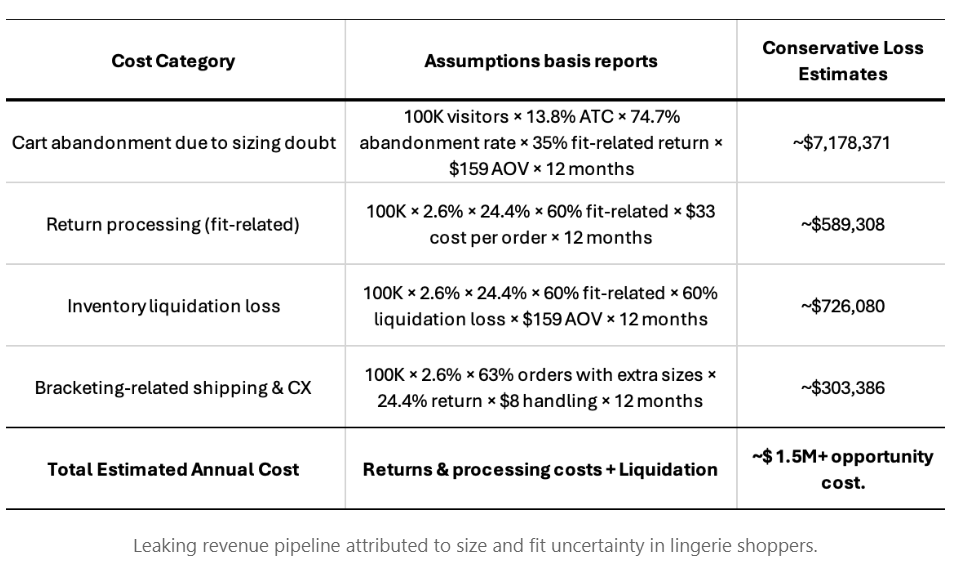
Fit is not a detail in lingerie. It is the product.
Heidi Zak built ThirdLove on brutal truth: 18M+ women used their FitFinder quiz because no one else bothered decoding “how it actually fits.”
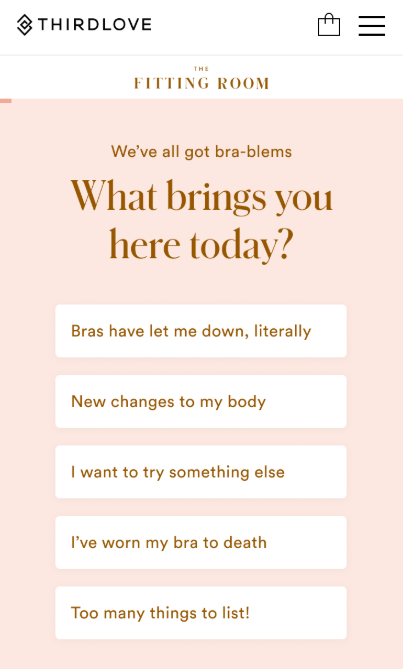
- Expanded to 78 sizes (AA-H, up to 48 band), targeting ignored shapes like 30F/32G, waitlists hit 1.3M.
- Returns dropped, loyalty soared, 98% quiz accuracy turned “fit anxiety” into “add-to-cart now.”
Zak didn’t chase trends; she weaponized data against the industry’s lazy grading. That’s how you service 85% of the market others pretend doesn’t exist.
The modern lingerie playbook is clear: fit is strategy.
- Test on 20 real bodies, not one mannequin.
- Use FitFinder-style tools: band/cup history, hook usage, pressure points.
- Shoot unretouched across sizes (30A – 48H); conversions lift 30 – 80%, returns collapse.
- Stop fantasy grading and start serving so your returns will thank you and so will your P&L.
Mistake #3: Launching Products Without Solving a Real Problem
Too many lingerie brands launch because the founder likes the aesthetic, not because they identified a genuine market gap.
An often-quoted industry observation highlights the problem:
“Most bras today still rely on design principles introduced nearly a century ago.”
Successful disruptors didn’t win by being prettier, they won by being functionally better:
- Better support
- Better comfort
- Better inclusivity
- Better everyday usability
What beginners miss:
- Lingerie customers are problem-aware
- Style alone doesn’t justify switching brands
- Innovation is about experience, not novelty
Ask before launching:
- What discomfort does this product eliminate?
- What frustration does it reduce?
- What emotional benefit does it unlock?
Mistake #4: Ignoring Fabric, Construction, and Skin Sensitivity
Lingerie is worn against the most sensitive areas of the body. Yet many new founders prioritize cost over material integrity.
This is one of the fastest ways to destroy a brand before it scales.
Common errors:
- Using low-grade lace that irritates skin
- Poor elastic recovery leading to sagging
- Ignoring breathability and moisture control
- Overlooking compliance standards across regions
Why it matters:
Discomfort is remembered far longer than beauty.Experienced brands invest heavily in:
- Fabric testing
- Wear trials
- Long-term durability, not just first impressions
Fact: Factories demand 500-1000 unit MOQs per trim. Push below that, and quality tanks. Elastics weaken, adhesives leak irritants, lace frays.
Pro Move:
- Standardize components across SKUs (same elastic for bralette/panty)
- Hit MOQs with 200-unit runs via startup-friendly mills
- Factor duties into landed cost, skimping on $2 elastic may save 12% upfront but cost 35% in returns, logistics, and chargebacks.
Case in point: Scandale vs Fast Fashion
Scandale, born 1932 via Dior collaborator Robert Perrier, pioneered latex for contouring comfort, now eco-luxe with 55% lower footprint, permanent 105-style collection rejecting disposable trash.
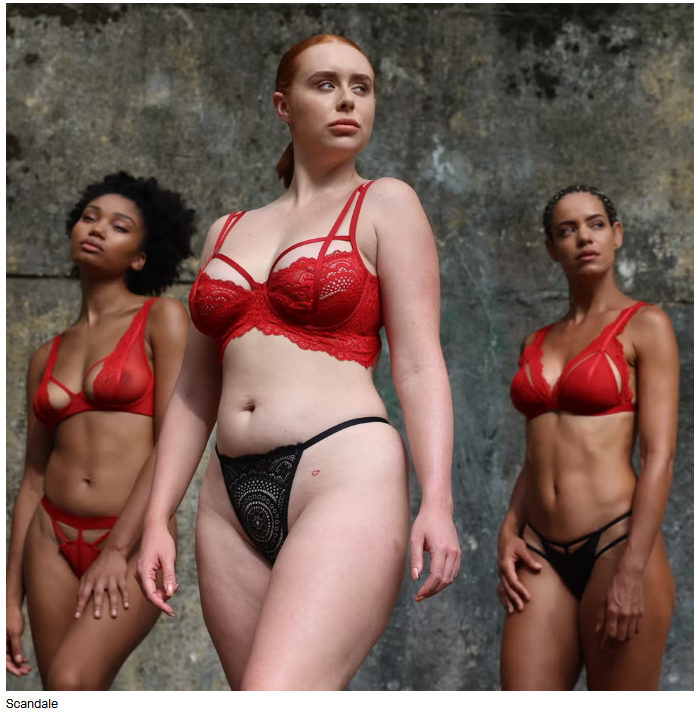
Fast-fashion? Quarterly churn, synthetic shortcuts, irritation epidemics. Scandale bets on certified breathables (OEKO-TEX), building loyalty where Shein clones crumble. That’s moat math: Quality compounds, crap evaporates.
Mistake #5: Copying Big Brands Instead of Defining a Position
Many lingerie startups unconsciously model themselves after legacy giants like Victoria’s Secret, without realizing those brands were built in a very different cultural era.
Jennifer Zuccarini, founder of Fleur du Mal, took a different approach. She built her brand by blending sensuality with sophistication, storytelling, and editorial depth.
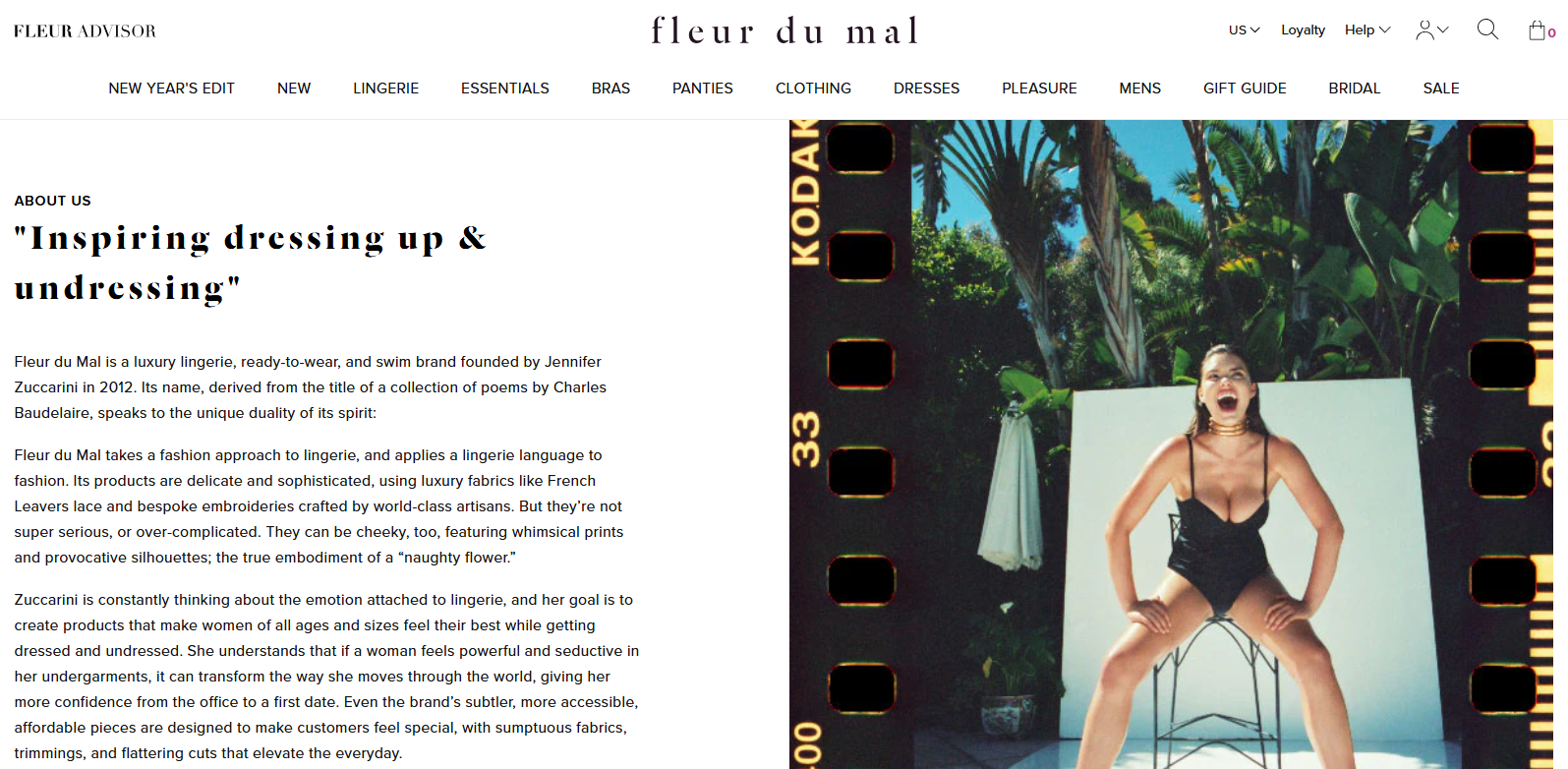
“The brand has to stand for something emotionally, not just visually.”
Beginner positioning mistakes:
- Generic branding
- No clear audience definition
- Trying to appeal to everyone
Modern lingerie success requires:
- A sharp niche
- A strong point of view
- Cultural relevance, not mass appeal
Mistake #6: Treating Marketing Platforms Like Neutral Territory
Lingerie sits in a gray zone across major ad platforms.
When it comes to promoting your lingerie business, Meta, Google, & TikTok don’t play neutral, they apply heightened scrutiny even to fully compliant content.
Beginners upload VS-style cleavage shots to Meta/TikTok/Google, blind to algorithms that flag “implied nudity” faster than you say “banned.”
Meta’s 2025 rules crush lingerie: no “sexually suggestive” visuals, even harness teases get rejected, Honey Birdette ignored complaints, kept posters up, but DTC brands lose accounts overnight.
Meta auto-restricts “adult content” pasties, deep cleav, skin sheen = instant bans, even on mannequins if “suggestive.”
Platform Rules Cheat Sheet
| Platform | Key Red Lines | Workarounds |
| Meta | No nudity, suggestive poses, sexual arousal focus. | Lifestyle shots, empowerment copy, appeals for edge cases. |
| TikTok | Bans sexual innuendo, before/afters, strict on adult products. | Educational vibes, #ad disclosures, age gates. |
| Mirrors meta: no explicit/suggestive imagery or copy. | Product-focused, non-sexual benefits (comfort & fit) |
Common beginner mistakes:
- Overly sexualized creatives
- Policy-triggering copy
- Ignoring shadow bans and suppressed reach
- Relying entirely on paid ads
Advanced brands diversify early:
- Content marketing
- Community building
- Email and SMS
- Influencer partnerships
Mistake #7: Ignoring Cultural and Regional Sensitivities
What sells in New York may fail in Dubai, Tokyo, or the UK.
Beginner founders often assume lingerie is culturally neutral. It isn’t.
Key Oversights:
- Imagery that clashes with local norms
- Inappropriate language or naming
- Payment and packaging expectations
Successful Global Brands:
- Localize content
- Adapt storytelling
- Respect cultural boundaries without diluting identity
Mistake #8: Mispricing the Product, Either Too Cheap or Too Premium
Pricing lingerie is emotionally charged. Founders often price based on aspiration rather than economics.
Two common traps:
- Racing to the bottom to compete with fast fashion
- Overpricing without brand equity to justify it
Hidden costs beginners ignore:
- Returns and exchanges
- Fit guarantees
- Content creation
- Customer service
- Compliance and logistics
Hard Truth: Premium pricing only works when trust is already earned.
Mistake #9: Forgetting Privacy, Discretion, & Post-Purchase Experience
Lingerie buyers behave differently after checkout. They care deeply about:
- Discreet packaging
- Neutral billing descriptors
- Respectful communication
- Data privacy
Kerry O’Brien, founder of Commando, built her brand on comfort, confidence, and customer trust.
“Comfort creates confidence and confidence creates loyalty.”
They wrap every order in unmarked bliss, bill as “CW Retail,” and nurture with subtle size tips, turning discreet deliveries into raving repeats.
Beginner oversight: They optimize the sale, not the relationship.
Mistake #10: Building a Store Instead of a Brand
Beginners chase product drops, seasonal hype, and discount fire sales, watching carts fill once but empty forever after. Viral reels spike traffic, yet repeat rates limp at 10-15% because there’s no emotional hook, no community whispering “this brand gets me.”
Without education on fit or confidence, customers ghost, leaving you scrambling for new traffic in a saturated feed.
What Winners Build Instead
Top brands flip the script to obsession-worthy ecosystems:
- Lifetime Value Obsession: Personalize with quizzes, size reminders, and “your next set” emails, boosting repeats to 40%+.
- Community Magnetism: User stories, fit challenges, and private groups turn buyers into advocates sharing unfiltered reviews.
- Education as Trust: Free guides on “bra myths” or “body confidence rituals” position you as the expert, not just a seller.
- Beyond Discounts: VIP perks, bundle exclusives, and progress tracking make every purchase feel like an upgrade.
Repeat customers are your real growth lever, delivering 5-7x the revenue of one-timers at half the acquisition cost.
Ditch the store trap. Audit your site: Does it nurture or just sell? Start with a 5-email welcome series sharing real stories, watch LTV soar. Your empire awaits beyond the checkout button.
📌Pro Tip: Before you launch, get smart. Read our expert guidance on choosing the best ecommerce platforms for lingerie brands, understanding real startup costs, and learning from top-performing lingerie startups shaping the industry today.
What This Means For You!
Lingerie doesn’t forgive shortcuts. Every corner you cut shows up later, as returns, distrust, bad reviews, or silence. The brands that survive aren’t louder or sexier; they’re quieter, smarter, and obsessively customer-led. They design for real bodies, protect trust like currency, and think in years, not launches. And, if you’re serious about building a lingerie brand that lasts, the foundation matters. Adent.io helps you create custom lingerie websites designed for clarity, control, and scalability. So you can execute with confidence, grow without chaos, and build a brand meant to endure.