

Fast launch. Zero hassle. Build your condom store online with xMarketplace by Adent.io
Condoms look like one of the easiest sexual wellness products to sell online, small, lightweight, universal, and always in demand. But in the regulatory world, they sit in the same bucket as medical devices.
That means:
- Your labels must meet strict standards,
- Your suppliers must pass factory audits,
- Your warehouse must follow storage rules, &
- Your marketing must avoid unapproved claims.
Governments globally, as in FDA in the US, EU MDR in Europe have tightened enforcement in the last decade. Stores have been fined, brands delisted, and shipments seized for issues as small as incorrect expiration coding.
Selling condoms isn’t hard.
Starting an online condom store and selling them legally, safely, and at scale is the real challenge this guide solves.
Legal Things Before Selling a Single Condom
Before you sell condoms, the legal groundwork has to come first. Most founders rush to finding a manufacturer, sketching packaging, launching an online adult store. Then everything stalls.
Banks won’t open business accounts without proper formation documents. Tax authorities won’t issue GST/VAT/Sales Tax IDs until the structure is registered. Payment processors place them under “restricted category review.”.
Customs in any country will hold shipments if condoms aren’t classified correctly under medical-device regulations. When compliance isn’t handled upfront, the launch collapses before it begins.
The smarter path is reversing the order. Legal setup first, product second.
- Start by choosing the right business structure based on liability and long-term scale.
- UK: Sole Trader / Partnership / Limited Company
- US: Sole Proprietorship / LLC / Corporation
- Register for taxes early. Marketplaces and payment processors require this for onboarding. UK VAT and US Sales Tax registrations happen directly through their state or national portals.

Source: UK Government Portal on VAT Registrations
- Secure your trademark for brand name, logo, and packaging, especially if you plan private-label condoms. UK IPO & US USPTO
- Handle medical-device and product classification if importing or manufacturing. Condoms are treated as regulated medical devices across regions.
- US FDA (Class II): 510(k) clearance + device listing
- UK MHRA: Register if you’re a manufacturer, importer, or UK Responsible Person
- EU CE Mark (MDR)
- Open a business bank account using your company registration + GST. This is necessary before applying to payment processors.
- Set up merchant accounts with payment processors who allow sexual wellness products. They’ll ask for product certificates, invoices, medical-device classification, and supplier documentation.
- Keep a digital “Compliance” folder with invoices, supplier certificates (ISO 13485, CE Mark, FDA/510k), shipment documents, batch tests, and import papers. This reduces risk during audits, customs checks, or payment gateway reviews.
How to Start an Online Condom Store?
The smartest founders know that success in selling condoms online starts with one thing: proving the market is ready and hungry for your product. Let’s break down how to validate demand like a pro.
1. Validate Product & Market
Most founders build the product first and validate later. In the condom + sexual wellness space, that’s backwards. Demand isn’t the problem, competition and positioning are.
Your first step isn’t designing packaging… it’s validating whether people are already searching for exactly what you want to sell, and whether you can win those searches.
Here’s the smarter approach founders use:
Start with Real Search Intent, Not Assumptions.
Instead of digging through keyword tools, validate demand using platforms that show what people are actively buying, not just searching.
Use:
- Google Shopping Trends (Condom Demand Signals)
- Walmart Best Sellers: Condoms
These platforms reveal real purchase behavior. From here, it becomes easy to spot unmet demand categories where new brands win fast:
- Organic or biodegradable materials
- Non-latex options for allergy-sensitive users
- Ultra-thin yet durable designs
- Condom sizing beyond the traditional “standard” fit
- Pleasure-focused textures designed to enhance sensation for women
If major brands barely cover these categories or offer outdated versions, you’ve uncovered a high-leverage opportunity to differentiate and own that niche.
Build a Demand Map that Mirrors Your Product Plan.
A smart way to validate product demand is to map keywords into product categories:
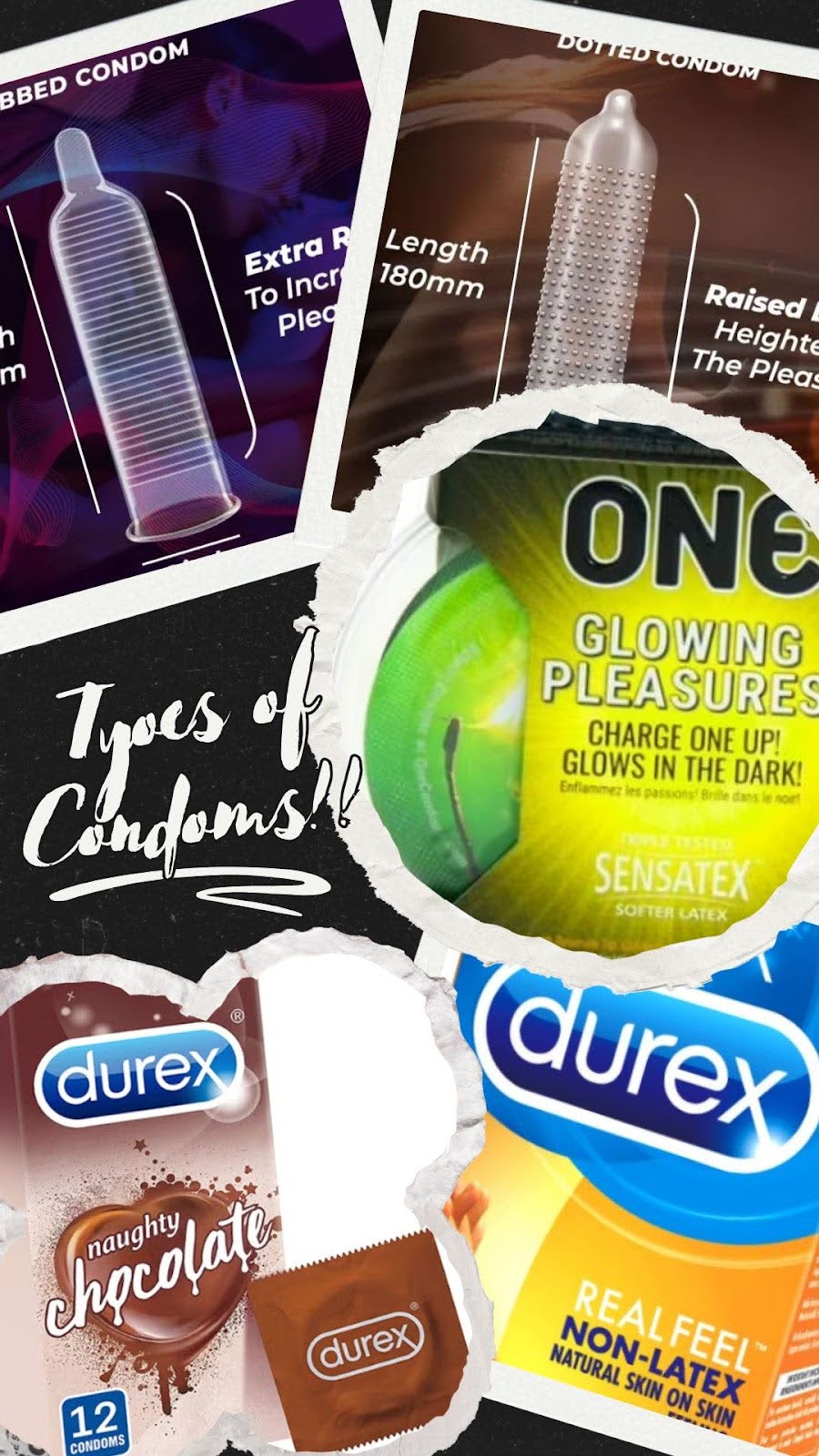
- Core product pages: thin, ribbed, dotted, flavored
- Niche demand pages: organic condoms, non-latex, extra safe
- Problem-based pages: allergy-safe condoms, tear-proof condoms
- Comparison pages: “trojan vs durex,” “best condoms for sensitive skin”
If you can fill these intent clusters better than competitors, the market is viable.
If big brands dominate everything in your niche, avoid that niche. But if mid-tier brands rank with weak SEO or thin content, you’ve found a profitable entry point.
Validate Product Acceptance Through Community Signals.
Scan platforms where real users speak without filters like that of Reddit, Quora, & Amazon Reviews. These reveal what users hate about current condoms, fit issues, breakage, smell, thickness, packaging. Each Complaint = A Product Opportunity.
2. Quality Standards & Testing
Most new condom brands obsess over packaging, flavors, or marketing but forget the one thing that actually protects the business: a reliable, documented quality-control system.
Distributors, marketplaces, and payment processors quietly judge you based on this step. Customs does too. Without proper batch testing and certificates, you’re flying blind.
What’s Non-Negotiable in Condom Business
Every production batch (also known as a lot) must be tested for:
- Tensile strength (stretch performance)
- Leakage (pinhole and water leakage tests)
- Burst pressure & volume (performance under stress)
These tests prove the condoms meet ISO 4074 standards. Always request COAs (Certificates of Analysis) for every SKU and every batch. Never accept bulk shipments without them.
Verify Independently Before Scaling
Before locking in a manufacturer:
- Send samples to a third-party lab for independent verification.
- Compare the results with ISO performance benchmarks.
- Flag inconsistencies early, it saves you from massive recalls later.
Add QC Protection Into Your Supplier Contract
This is where most founders make the costliest mistake, no QC clause. Your agreement should explicitly cover:
- Acceptance Sampling Protocol: Define sample size, testing frequency, and pass/fail criteria. This avoids arguments when a batch underperforms.
- Reject & Recall Procedure: Detail what happens if a lot fails like immediate replacement, disposal responsibility, cost coverage & timeline for correction.
III. Indemnity for Defective Batches: Protects your business if defects cause customer complaints, regulatory trouble, or financial loss.
3. Sourcing & Supplier
Most founders assume “finding a manufacturer” is just Googling factories and comparing prices. In sexual wellness, that’s the fastest way to get stuck with questionable inventory, customs seizures, or payment-gateway rejections.
The smarter path is understanding which sourcing model fits your risk tolerance, launch speed, and regulatory burden.
Know Your 3 Paths Before You Source
You’re basically choosing one of these lanes:
OEM White-Label (Fastest Go-To-Market)
You buy condoms already manufactured under the supplier’s specs and add minimal branding. Useful for MVP or early-market testing.
- Pros: Low MOQs, quick launch
- Cons: Limited control, branding constraints
Private Label With Custom Packaging (High Control, Longer Timeline)
You use the manufacturer’s product but design your own wrapper, box, and brand identity. Ideal for scaling a dedicated condom brand.
- Pros: Premium look, stronger brand equity
- Cons: Longer lead times, regulatory documentation needed
Authorized Distributor of Known Brands (Lowest Risk)
You sell approved brands (e.g., Durex, SKYN, Trojan) as an authorized reseller. Best for retail expansions or marketplaces.
- Pros: Minimal regulatory risk, instantly trusted products
- Cons: Thinner margins, competitive
Due Diligence: Don’t Skip This Part (This Is Where Fraud Usually Happens)
A real supplier vetting process goes beyond price quotes. You’re validating whether a factory can support your brand without endangering compliance, Amazon listing stability, or customs clearance.
Use this checklist:
Factory Audit Essentials
- ISO 13485 certification (preferred for medical devices)
- Production capacity per month
- Shelf-life controls (lubricant consistency, latex stability)
- Expiry-date printing practices (machine stamping vs manual)
- Batch traceability system
- Quality management workflow (align with ISO 4074 expectations)
If a supplier hesitates to share documentation? That’s your red flag.
4. Labeling, Packaging & Claims
Most new brands obsess over colors, foil textures, and unboxing aesthetics and forget that it is as medical-device communication, not lifestyle design. This single mistake leads to customs delays, Amazon takedowns, or FDA/MHRA warning letters.
The fix? Build packaging that satisfies regulators first and branding second.
What Your Packaging MUST Communicate (Non-Negotiable)
Consider this your mandatory checklist. If any of these are missing, your shipment can be blocked or your listing suspended.
Core Medical-Device Identifiers
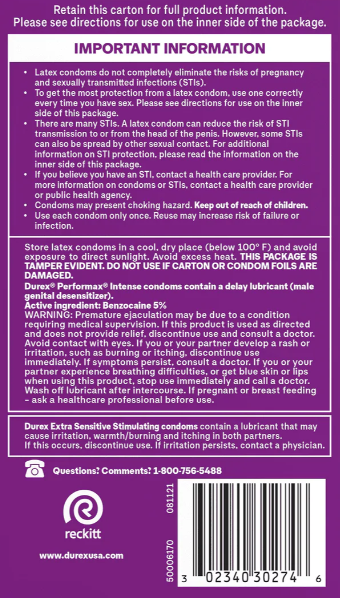
- Lot/batch number (traceability for recalls)
- Expiry date (ISO 4074 requirement)
- Materials (latex, non-latex, lubricant type, allergens)
- Usage instructions (correct application, disposal)
- Storage conditions (heat, sunlight, humidity)
- Manufacturer / importer / responsible person details
- Country of origin
- Regulatory marks (FDA classification, CE, UKCA when applicable)
Language Requirements: Don’t Ignore This Part
Every major region enforces local-language labeling:
- US → English mandatory
- EU → Language(s) of the country of sale
- UK → English
- Canada → English + French
- Middle East → Arabic depending on jurisdiction
If you sell globally, create region-specific packs instead of one universal design.
What to Avoid: Claims That Get Brands Penalized
Do not make statements regulators consider misleading medical claims:
❌ “100% STI protection guaranteed”
❌ “Clinically proven to eliminate pregnancy risk”
❌ “FDA-approved condoms” (Condoms are cleared, not approved)
❌ “Safe for all users” (latex allergies exist)
These trigger enforcement from:
- FDA (US)
- ASA/CAP (UK Advertising Standards)
- EU MDR enforcement (for CE-marked products)
Instead, use approved language like:
✔ “When used correctly, condoms reduce the risk of STIs and unintended pregnancy.”
✔ “Meets ISO 4074 standards for quality and performance.”
Practical B2B Tip: Build Packaging Proof Files
Before production, create a folder containing:
- Artwork PDFs
- Translation sheets
- Regulatory marks
- QC sign-offs
- Printer proofs
- Approval emails from notified bodies or compliance teams
Payment processors, Amazon Category Specialists, and customs officers may request these at any point, having them ready improves your approval rate dramatically.
5. Start an Online Condom Store
Starting an online condom store today isn’t about listing a few SKUs, it’s about building a trusted, tech-enabled sexual wellness brand.
The fastest-growing stores follow a simple strategy: niche positioning, high-trust UX, and a platform built specifically for adult commerce.
And the smarter path is choosing a white-label adult commerce platform designed for this industry from day one.
That’s where Adent.io and its ultimate product, xMarketplace, change everything. Instead of patching together risky plugins and third-party workarounds, xMarketplace gives you a fully white-label, adult-safe, compliance-ready platform built specifically for condoms, sex toys, personal lubricants and other wellness products.
You get discreet billing, adult-friendly payment integrations, strict data privacy, and custom storefronts, all without triggering platform restrictions. This is the backbone you need when investing in adult ecommerce website development and its design services.
White-labeling through Adent.io lets you launch a premium brand instantly: your colors, your design, your product line, all running on a battle-tested infrastructure trusted by adult creators, toy retailers, and wellness startups.
From condoms to lubricants to even used toys (where legally allowed), the system supports unlimited categories with full verification, payout management, and global shipping workflows.
Too busy to research the tech stack? No problem, get through the full xMarketplace product walkthrough to see every feature in action and understand how it powers high-performing adult stores worldwide.
📌Pro Tip: Most founders mess up by mislabeling key features on their online condom store. Avoid costly mistakes, check out our expert guide on must-have features for an adult e-commerce website.
6. Age Verification, Marketing & Ad Rules
This is where 90% of founders slip. Get this right early. It saves you from banned ads, frozen merchant accounts, and compliance emails from regulators.
Age Verification for Adult Products
To legally sell condoms online in most Western markets, an adult friendly age gate is expected, even if it’s not always legally mandated. The logic is simple: condoms are classed as adult-use items.
What to implement:
- DOB entry pop-up (light-touch, acceptable for US/UK ecommerce).
- Checkout age affirmation (checkbox verifying the user is 18+).
- Advanced verification for stricter regions or marketplaces (document or identity checks if required).
Advertising Rules for Sex Products
Condom advertising is allowed, but heavily moderated. The key is using educational, neutral framing instead of explicit creativity.
UK: The UK’s ASA has strict and nuanced guidelines for contraceptive advertising.
Avoid anything deemed “sexualized,” “graphic,” or targeting minors.
Your safest angle: health messaging + responsible use.
US: Most platforms allow condom ads under “restricted adult products,” but require:
- no explicit imagery
- no sexual positioning
- compliant landing pages
Platform Reality Check
Selling condoms on Amazon, eBay, or specialty wellness marketplaces? Expect additional requirements:
- traceable packaging
- compliant labeling
- age-restricted storefront settings
- no exaggerated claims
Always check the “restricted products” list before uploading product pages.
7. Payments, Banking & High-Risk Processing Options
Condoms seem like harmless consumer goods, but payment processors classify them under “adult/sexual wellness,” which is automatically tagged as moderate to high risk.
This affects your fees, verification requirements, chargeback thresholds, and even whether your account stays live.
Why Payments Work Differently for Condom Brands
Processors review three things before approving your account:
- Regulatory category (condoms = adult wellness + medical device)
- Content risk (explicit language or imagery anywhere on the site)
- Chargeback exposure (common in health/sexual products)
This is why you must expect stricter underwriting, higher scrutiny, and sometimes higher fees.
High-Risk Merchant Accounts: When You Need Them
If your brand sells:
- large volumes
- cross-border
- subscription packs
- rapid-scale DTC
…you may need a high-risk merchant account.
These come with higher fees but offer stability, fewer freezes, and support for regulated products.
Reputable adult payment providers & merchants include:
- CCBill
- Verotal
- Epoch, etc
These are designed for businesses in wellness, adult, health supplements, and other “non-standard” categories.
B2B Pro Tip: Build a ‘Payment Compliance Packet’ Before Applying
Put these into a single PDF or folder:
- Business registration
- Tax IDs
- Compliance docs (ISO 4074, CE, FDA/510k, batch tests)
- Refund/returns policy
- Privacy policy
- Proof of fulfillment methods
- 3 – 5 product photos
- Clean homepage screenshot
Sending this proactively often gets approval in one review cycle instead of three.
8. Shipping, Returns & International Customs (What’s Restricted)
Condoms cross into a regulated grey area, Adult Wellness × Medical Device × Consumer Goods. That mix triggers carrier reviews, customs declarations, and discreet packaging requirements.
If you mishandle any of these, parcels get blocked, delayed, or returned… and customers lose trust instantly.
Customs: Declare Correctly or Expect Delays
Customs officers don’t care about your marketing. They care about classification. Condoms fall under: HS Code 4014.10, Hygienic or pharmaceutical articles of vulcanized rubber (Condoms).
Use this code on:
- commercial invoices
- packing lists
- customs declaration forms (CN22/CN23)
Some countries require additional compliance statements for contraceptives.
Country reference points:
- US CBP Import Rules
- UK Import Guidance
- EU TARIC Database
If shipping into regions like Africa, Middle East, or Southeast Asia, check national restrictions. Some nations limit consumer imports of contraceptives or require local labeling.
Packaging: Protect Product Integrity & Customer Privacy
Two things matter here:
Product Stability – Heat-resistant, moisture-safe packing
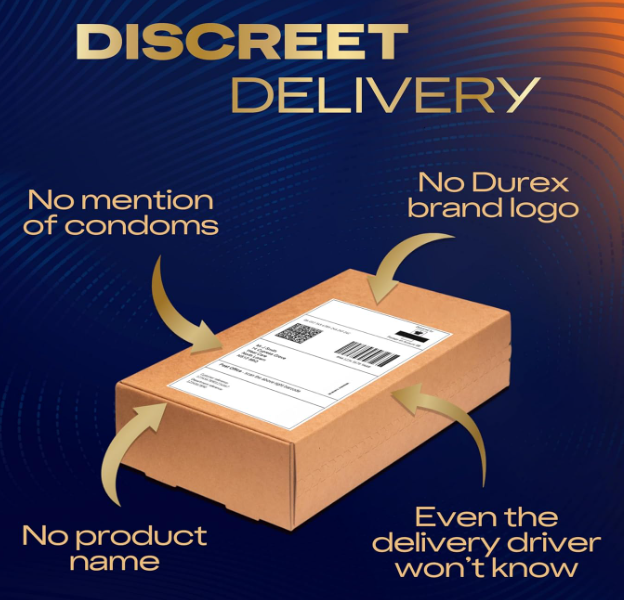
Customer Discretion – Always opaque, unbranded shipping
Best practices:
- Use insulated packaging for hot climates (condoms degrade under heat).
- Ensure expiry dates remain visible on inner packaging for audits.
- Keep all outer packaging neutral (no brand, no category hints).
- Add an insert with usage/storage guidelines to reduce customer misuse.
Returns & Refunds
Condoms cannot be resold once shipped, even if the customer “claims” it’s unused. For safety, most brands adopt a no returns for sexual wellness consumables policy.
Offer refunds only for:
- Damaged products
- Incorrect orders
- Lost shipments
Make your policy extremely clear on the product page, checkout, and confirmation email. This protects you from chargebacks while staying legally compliant.
9. Market Your Online Condom Store
This is where your condom brand stops being “another online sex store” and becomes a category authority that Google trusts and customers buy from without hesitation.
The goal to sell sex products: build a search system that captures intent, educates buyers, and funnels them directly to product pages.
Build Authority with SEO Driven Content
Start by creating a long, authoritative pillar page titled “Buy Condoms Online [Country]”. Cover everything a buyer needs in one place, materials, sizes, safety, storage, and FAQ.
Next, tap into informational search data to understand what shoppers fear, misunderstand, or genuinely want to learn. Turn these insights into educational, trust-building content:
- “Vegan condoms vs latex, what’s the real difference?”
- “How to pick the right condom size (with calculator)”
- “Condom myths vs facts, backed by clinical research”
This type of content builds trust, clarity, and authority, essential before a buyer decides what to purchase.
Then layer intent-driven topics that reflect real purchase behaviour:
- “Best non-latex condoms for sensitive skin”
- “Top ultra-thin condoms for maximum feel”
- “Small / XL condom size buyers’ guide”
- “Most popular condoms of the year (based on real sales data)”
These convert because they align directly with what users are ready to buy.
Social Media & Email Marketing
Amplify this across platforms that welcome sexual wellness content (within each platform’s safety & policy guidelines):
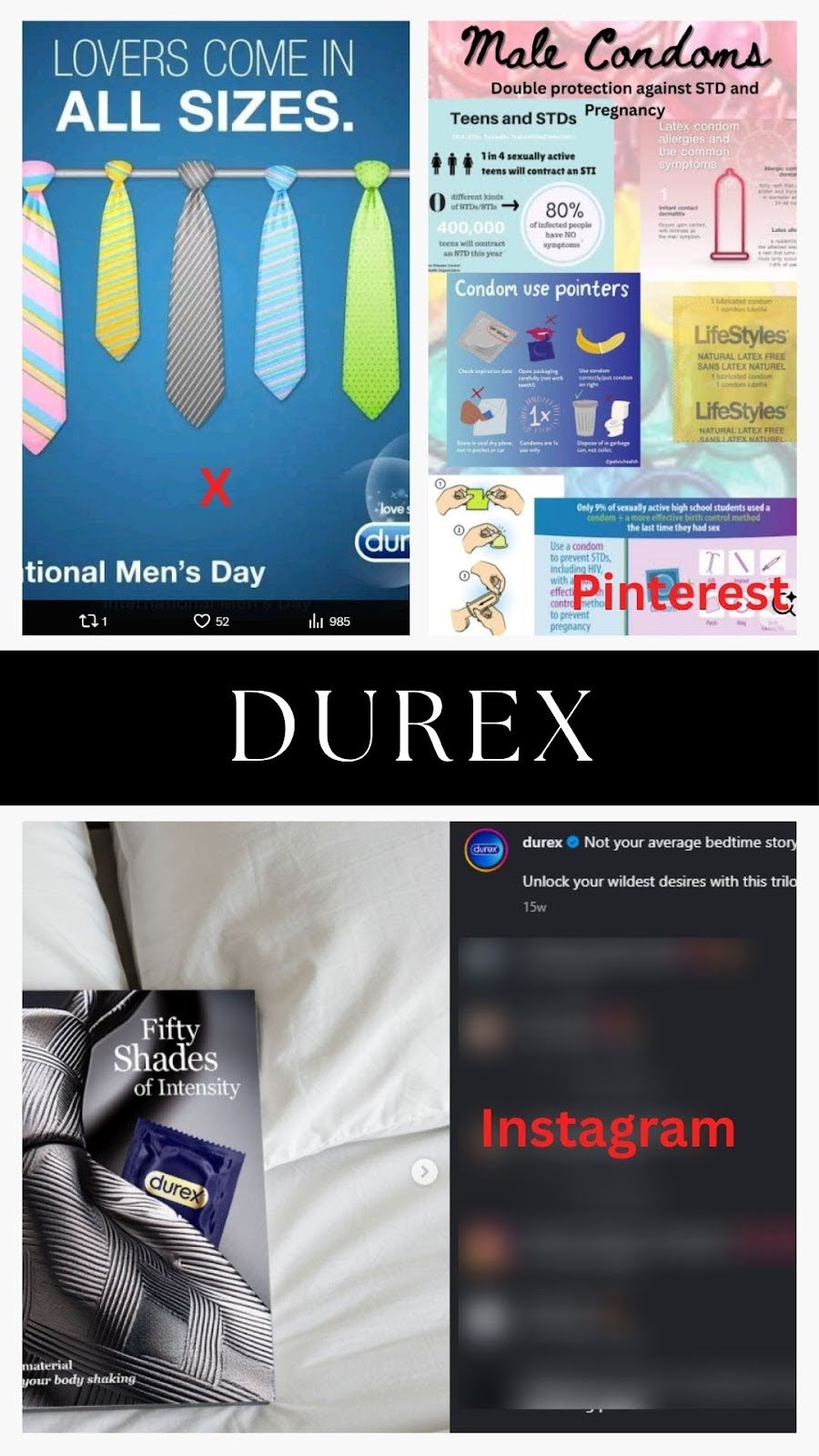
- Instagram & TikTok: Short myth-busting reels, sizing tips, fun wellness facts
- YouTube: Deeper explainers, comparison guides, “how to choose” videos
- Pinterest: Visual size charts, storage tips, sexual wellness infographics
- X: Quick threads and research-backed insights
Pair this with newsletter marketing, send size guides, seasonal bundles, and educational micro-series.
Boost Conversions with Paid Ads
Google Ads allow condom advertising, but the rules are strict. Your campaigns must stay, non-explicit, non-suggestive and 100% adult marketed (18+ Only).
The platform treats condoms like health products, so your messaging has to lean into safety, protection, and responsibility, not pleasure, kink, or sexual enhancement. Keep visuals clean, language professional, and avoid anything that hints at explicit behavior.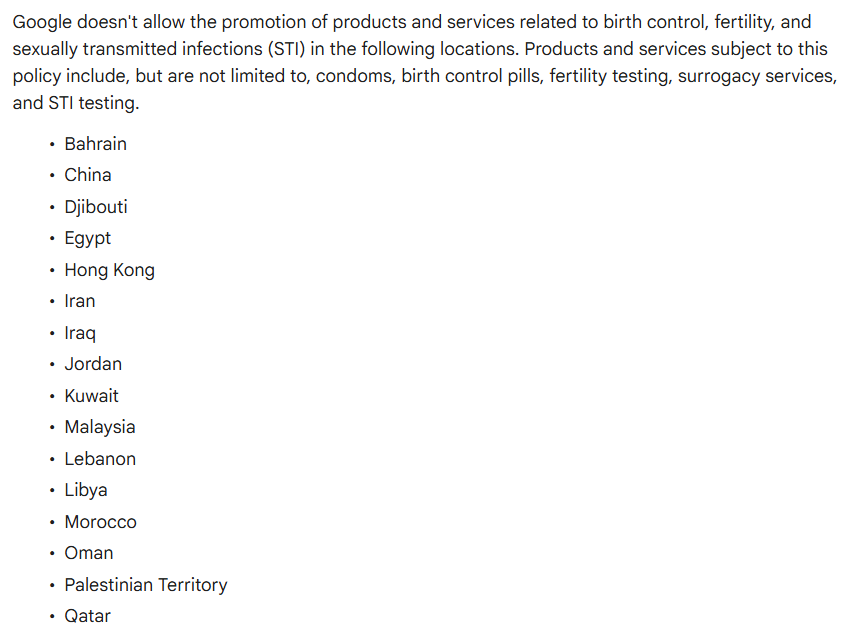
Follow the guidelines and you’re free to promote condoms as a health-forward, responsible choice that builds trust with both Google and buyers.
Influencer Partnerships
Collaborate with sex educators, wellness creators, and micro-influencers who speak honestly about safety, comfort, and pleasure. Their credibility lifts your brand while keeping the message human.
When all these channels reinforce each other, your online condom store evolves into the go-to destination for buyers who want clarity, confidence, and better intimacy and choosing your brand becomes effortless.
10. Post-Launch Operations
Once your condom store is live, scaling safely depends on how well you manage compliance after launch.
Maintain a batch-wise incident log for every complaint, even minor ones, and link them to your lot numbers for future audits.
Build a simple recall SOP outlining what to do if a defect surfaces, quarantine stock, notify suppliers, alert marketplaces, and contact customers.
Run post-market surveillance using monthly defect trends and breakage patterns. Finally, turn compliance into trust by collecting verified reviews, publishing clinician-backed sexual-health guides, and building a transparent safety page that boosts credibility and conversions.
Final Thoughts
The condom brands that rise to the top aren’t winning because of prettier packaging, they win because their legal groundwork, data integrity, and product governance quietly power their search rankings. When most founders chase hacks, you build credibility infrastructure and that’s what ranks, converts, and compounds.
And when you want that entire power without the engineering burden, xMarketplace by Adent.io gives you a fully compliant, high-risk-friendly adult ecommerce script built to launch and scale a legal, profitable online condom store fast.